
Introduction
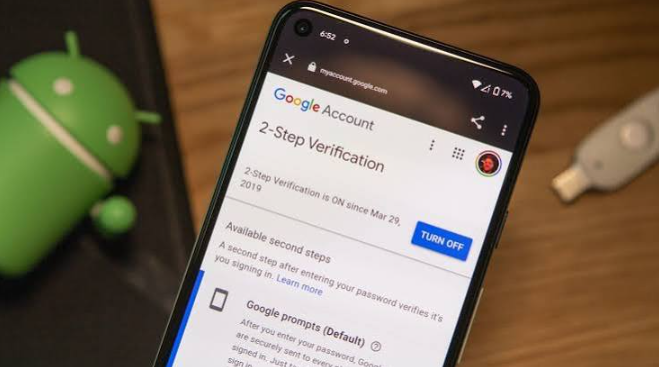
For service details, see fresh gmail accounts with recovery email. An inbox can contain personal conversations, receipts, travel details, work files, and notifications from other services. Protecting that information requires secure settings as well as thoughtful daily decisions. Start by reviewing the protections available through Google’s Account Security Checkup, then consider how your devices and everyday habits affect the privacy of messages. For further details, see fresh gmail accounts with recovery email.
Secure the Devices You Use
Use a screen lock on phones and computers, install operating-system updates promptly, and avoid leaving an inbox open on a shared device. When using a public or shared computer, do not save your password and sign out fully before leaving. Avoid accessing sensitive information on a device you do not trust. If a phone is lost, use the provider’s account tools to review sessions and secure the account from another trusted device.
Share Only What Is Necessary
Before sending a message, confirm the recipient and check attachments. Avoid placing sensitive personal information in an email when an approved secure-sharing method is more appropriate. When sending to a group, consider whether every recipient needs to see the others’ addresses. Use blind carbon copy or a managed mailing service when appropriate. Remember that once a message has been sent, you may not be able to control where it is forwarded or stored. Related information is available at buy 100% phone verified fresh gmail accounts.
See also: How to Evaluate Paid Leave and Other Workplace Benefits
Review Third-Party App Permissions
Some apps request access to email, contacts, calendars, or other account data. Give access only to services you trust and genuinely need. Read the permissions requested and remove access for tools you no longer use. Be cautious with browser extensions that ask to read or change content on every website. Install software from reputable sources and avoid granting broad access just because an app promises convenience.
Recognize Suspicious Messages
Unexpected requests for passwords, payment information, or verification codes should be treated carefully. Google’s phishing advice explains common warning signs. Verify unusual requests through a separate channel instead of relying on links or phone numbers included in the message. Do not approve sign-in prompts you did not initiate, and report suspicious messages through your email provider’s tools.
Keep Recovery Options and Forwarding Private
Recovery addresses and phone numbers can help restore access, but they should not be shared publicly. Keep them current and protect the recovery inbox with its own strong password and additional verification. Review forwarding rules, filters, and connected devices periodically. An unfamiliar forwarding rule can cause messages to be copied to another address without your knowledge. If you discover an unexpected change, secure the account and review recent activity promptly.
Think Before Using Public Networks
When using public Wi-Fi, make sure websites use secure connections and avoid entering sensitive information into pages you cannot verify. Keep your device updated and use the organization’s approved remote-access tools for work. Do not install a certificate, application, or configuration profile merely because a pop-up says it is required. If a connection asks for unusual personal details, stop and confirm the requirement with the venue or service provider.
Think About Message Retention
Privacy also includes deciding how long messages should be kept. Inboxes often accumulate old attachments, personal details, and records that are no longer needed. Follow any legal, professional, or workplace retention requirements that apply, but avoid keeping unnecessary copies indefinitely. Before deleting messages, consider whether they are needed for records or obligations. For sensitive information, use the organization’s approved storage and deletion process rather than creating extra copies across several personal inboxes. A deliberate retention approach can reduce clutter and limit the amount of information exposed if an account is compromised.
Protect Privacy on Mobile Devices
Phones make email convenient, but notifications can reveal message details on a lock screen. Review notification settings and choose whether previews should be visible while the device is locked. Use a screen lock, enable device-finding features where appropriate, and install updates promptly. Be careful when lending your phone to another person or connecting it to an unfamiliar computer. If you use a personal device for work email, follow your employer’s policy for device security and remote access. If the phone is lost, secure the account from another trusted device and follow the provider’s instructions for ending sessions.
Reduce the Amount of Information You Expose
Privacy improves when an inbox contains only the information it needs. Avoid sending full identity documents, account credentials, or sensitive records when a more secure approved method is available. If a document must be shared, confirm the recipient and remove unnecessary information where appropriate. Be careful with long email threads: replying to everyone can expose old messages or addresses that are irrelevant to the current task. Before forwarding a conversation, read the earlier messages and check whether they contain private details. Small choices about what to include can limit accidental disclosure.
Keep Policies Clear and Practical
A written email policy should be short enough for employees to remember. It can explain how accounts are assigned, how access is removed when a person leaves, which tools are approved for sharing files, and how suspicious messages should be reported. Include a specific rule for changes to payment instructions: verify them independently before transferring money or updating supplier records. Make it clear that reporting a mistake quickly is better than hiding it. Review the policy when the business adopts a new email provider, changes its payment process, or learns from an incident. A practical policy supports everyday work instead of becoming a document that employees never consult.
Review Privacy Settings After Major Changes
Privacy settings should be reviewed after changing phones, switching email applications, or connecting a new service. Confirm that notifications do not reveal more message content than you want visible on a locked screen. Check whether the new application requests access to contacts, calendar data, or stored messages, and decline permissions that are not necessary for its function. If an account is used for sensitive work, consult the organization’s approved tools before linking it to a personal application. These checks help preserve privacy as your devices and habits change. When reviewing related service information, readers can also visit phone verified fresh gmail accounts instant delivery for a separate reference page.
Conclusion
Email privacy is built from small decisions repeated consistently. Limit unnecessary sharing, protect devices, review app permissions, keep recovery options current, and pause before responding to unexpected messages. These habits help preserve confidentiality without making everyday communication difficult.
LINK MAP — EXACT ANCHOR TEXT AND DESTINATION
- Paragraph 1 | Anchor text: “fresh gmail accounts with recovery email” | Destination URL: https://pvainfo.com/buy-gmail-pva-accounts-with-app-password-from-pvainfo.html
- Paragraph 3 | Anchor text: “buy 100% phone verified fresh gmail accounts” | Destination URL: https://martpva.com/gmail-pva-accounts